


What to Expect from North Myrtle Beach Weather
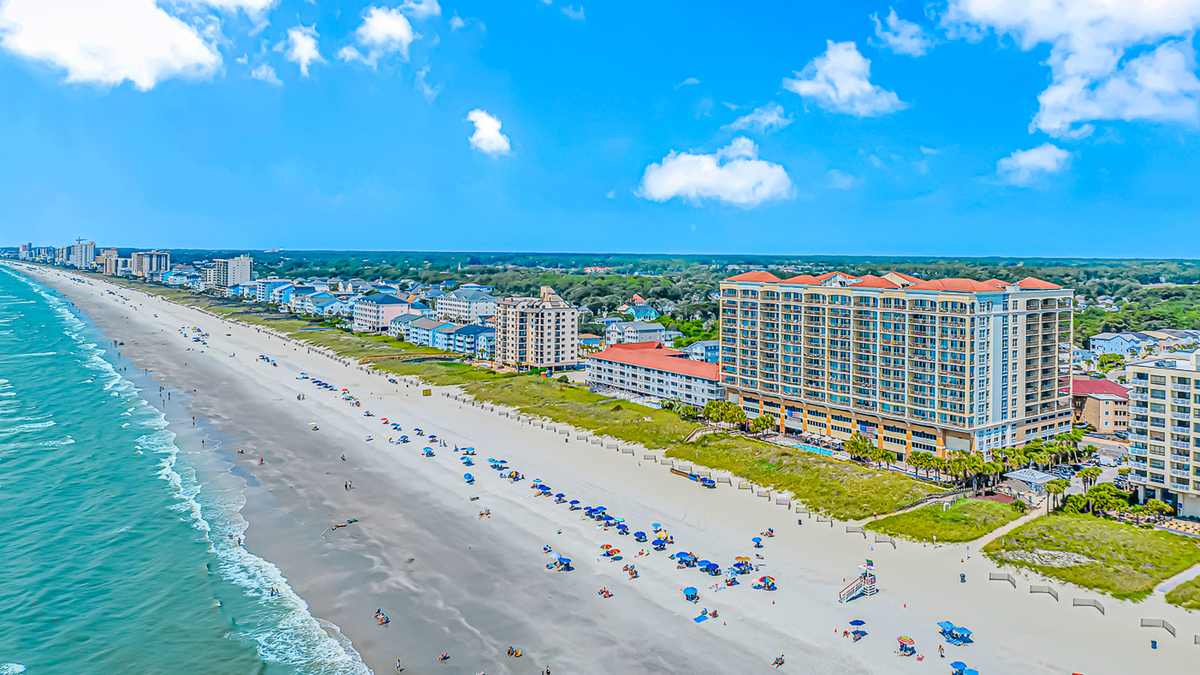
North Myrtle Beach weather is mild for much of the year, with a humid subtropical feel. Summers are hot, often in the upper 80s, while winters stay cool in the 50s and 60s. Spring and fall are pleasant and breezy. The ocean is warmest from late spring into early fall.
What Is the Weather Like Through the Year?
The Grand Strand has a mild, humid subtropical climate, so there is no truly bad time to visit, only different seasons. Summers are hot and busy, fall keeps the ocean warm with fewer people, winters are mild and quiet, and spring is dry and comfortable. These are typical patterns, not promises, so always check the forecast before you travel. Here is what each season usually brings.
Summer: Hot, Humid, and Busy
From June through August, daytime highs usually sit in the upper 80s to low 90s with high humidity, and the ocean warms to around 80 degrees, which is why this is peak season. Afternoon thunderstorms are common and tend to pass quickly, often clearing in time for an evening on the beach. Mornings are the coolest, easiest hours on the sand before the heat peaks. This is the busiest and priciest stretch of the year.
Fall: Warm Water, Thinner Crowds
September and October are a local favorite. The air stays warm, the ocean holds its summer warmth well into the fall, and the summer crowds thin out after Labor Day. It is a comfortable, less expensive time for a beach trip. One caveat: the Atlantic hurricane season runs through November and peaks from August into October, so keep an eye on tropical forecasts when planning a fall visit.
Winter: Mild Days and Quiet Beaches
Winter here is gentle by Northern standards. December through February typically brings daytime highs in the 50s and 60s and overnight lows in the 30s and 40s, with plenty of clear, crisp days good for long beach walks. The ocean is too cold for swimming, but the resort’s covered indoor pool stays open. This is snowbird season, when monthly guests settle in for the quiet.
Spring: Mild Air and Golf Season
March through May is dry, comfortable, and uncrowded, with warming temperatures and lower humidity. It is the peak season for golf, when course conditions are at their best, and a fine time for the beach even if the ocean is still cool early on. Spring break families arrive in March and April. If you want pleasant days without summer heat or crowds, spring is hard to beat.
Hurricane Season and Rain
The official Atlantic hurricane season is June 1 through November 30, with the highest activity from August into October. Direct hits are uncommon, but it is wise to watch forecasts and consider travel insurance for late-summer trips. Day to day, summer rain usually comes as short afternoon thunderstorms rather than all-day washouts. The best time to visit guide weighs the seasons, the what to pack guide helps you prepare, and the blue haven oceanfront condo page shows your base.
Weather: Common Questions
What is the hottest time of year?
July and August are the hottest, with highs usually in the upper 80s to low 90s and high humidity. Mornings on the beach are the coolest part of the day.
When is the weather best?
Many travelers prefer May, September, and October, when temperatures are warm but milder, humidity is lower, and the ocean is still pleasant.
How warm is the ocean?
The Atlantic warms to around 80 degrees in midsummer and is comfortable for swimming from late spring into early fall. In winter it drops into the 50s.
Does it rain a lot in summer?
Summer brings frequent afternoon thunderstorms, but they usually pass quickly rather than lasting all day. The mornings are often clear and sunny.
Is there a hurricane risk?
Atlantic hurricane season runs June through November and peaks August to October. Direct hits are uncommon, but watch forecasts for late-summer trips.
Is winter too cold to visit?
Winter is mild, with highs often in the 50s and 60s, good for beach walks and golf. The ocean is too cold to swim, but the indoor pool stays open.